Dried Figs
Introduction
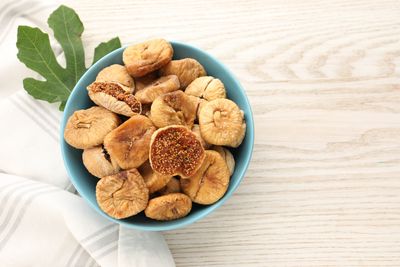
At Petrichor Foods EU, we take pride in offering one of the world’s most ancient and celebrated fruits: the fig. Revered for millennia as a symbol of abundance and nourishment, figs remain a cornerstone of healthy eating today, naturally rich in fiber, minerals, and antioxidants.
Sourced primarily from Aydın, Turkey, our dried figs combine the wisdom of traditional sun-drying with modern food safety practices, ensuring every shipment is delicious, safe, and reliable.
History and Distribution
Figs are among the oldest cultivated fruits, with archaeological evidence of their use dating back more than 5,000 years. Native to the Middle East and the Mediterranean, figs spread across ancient trade routes to Greece and Rome, where they became a staple in both diet and culture.
Today, figs are cultivated in Turkey, Greece, Spain, the United States (California), and North Africa. Turkey, particularly the Aydın region, is globally recognized as the leading supplier of dried figs, known for their natural sweetness, soft texture, and golden-brown appearance.
Cultivation
The fig tree is a deciduous plant that thrives in warm, dry climates with plenty of sunshine. Trees can live for decades, producing abundant crops once mature. Each fruit is technically a syconium—a cluster of tiny flowers enclosed within a soft, edible skin.
Harvest occurs once the fruit is fully ripened and begins to soften. For drying, figs are carefully sun-dried or mechanically dried to ensure a stable product with a balanced moisture level suitable for long-term storage.
Harvest
Fig harvest usually begins in late summer and extends into early autumn. Fruits are handpicked or gathered as they naturally drop from trees when perfectly ripe.
Because figs are delicate, they must be collected quickly and handled with care. Fresh figs intended for drying are spread on wooden trays or mesh racks to allow proper airflow and even exposure to sunlight.
Processing
After initial drying, figs undergo several processing steps to ensure quality and safety:
- Washing and sterilization to remove dust and impurities
- Grading by size (larger figs reserved for retail, smaller for industry)
- Moisture control to maintain levels between 18–24%, preserving softness while ensuring shelf stability
- Optional pasteurization to prevent microbial risks
- Packaging under hygienic, certified conditions
Properly processed figs can be stored for extended periods without losing quality, making them one of the most reliable dried fruits in international trade.
Nutrition Facts (per 100 g of dried apricots)
- Energy: ~249 kcal (1,040 kJ)
- Carbohydrates: 63 g
- Sugars: 48 g
- Dietary Fiber: 9–10 g (excellent source of fiber)
- Protein: 3–4 g
- Fat: 0.9 g
- Naturally rich in calcium, potassium, magnesium, and antioxidants.
Grading
Turkish dried figs are graded by number of fruits per kilogram, ranging up to 10 categories:
- No. 1: 50–60 figs/kg
- No. 2: 61–70 figs/kg
- No. 3: 71–80 figs/kg
- No. 4: 81–100 figs/kg
- No. 5: 101–110 figs/kg
- No. 6: 111–120 figs/kg
- No. 7: 121–140 figs/kg
- No. 8: 141–160 figs/kg
- No. 9: 161–180 figs/kg
- No. 10: 181+ figs/kg
The larger sizes (No. 1–3) are preferred for direct retail packaging, while the smaller grades are often directed to the bakery, confectionery, and industrial sectors.
In addition to whole dried figs, the industry also offers:
- Diced figs – small cubes, often used in cereal blends, energy bars, and bakery fillings.
- Fig paste – a soft purée, widely used in confectionery (e.g., fig cookies), health snacks, and processed food applications.