Dried Apricots
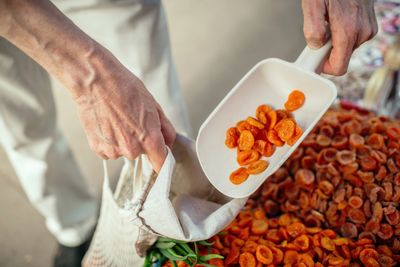
Introduction
At Petrichor Foods EU, we proudly source and supply the world’s finest dried fruits, with a special focus on the globally renowned Malatya apricots
Celebrated for their vibrant color, natural sweetness, and rich nutritional profile, apricots from this region represent both a timeless tradition and a modern superfood.
By combining deep agricultural heritage with strict food safety standards, we ensure that every batch delivered to our customers is safe, consistent, and delicious.
History and Distribution
Apricots are classified as stone fruits, named for their large pits that contain kernels, which may be either bitter or sweet. These kernels have historically been used as a substitute for almonds in certain culinary applications.
The apricot tree typically grows up to 5 meters in height. In spring, it produces abundant, fragrant blossoms ranging from pale pink to white, which often emerge directly from the trunk or main branches. The fruit itself ripens to shades of yellow to deep orange-red, with bright orange flesh and a thin, velvety skin. The skin is slightly fuzzy when unripe but becomes soft and tender as the fruit reaches full maturity.
Cultivation
An apricot tree typically requires 4–5 years after planting before yielding its first crop. Early harvests may produce about 20 kg per tree, but with maturity, this can rise to 200 kg per tree.
Many sweet apricot varieties are developed through grafting onto plum rootstocks, which improves both fruit sweetness and yield. Producing 1 kilogram of dried apricots requires approximately 3.5 to 4.5 kilograms of fresh fruit.
Apricot trees bloom in April and May, a particularly sensitive time, as late frosts can damage blossoms and severely reduce yields.
Harvest
The harvest season typically begins in mid-July. Ripe fruit is collected by shaking or by gathering fallen apricots onto cloth laid beneath the trees.
Freshly harvested apricots are often sulphured on wooden trays in enclosed chambers for about 24 hours. Sulphuring serves two purposes:
- It eliminates insects and bacteria, extending shelf life.
- It preserves the fruit’s bright orange color, as unsulphured apricots naturally turn a darker brownish shade with a richer, more intense flavor.
After sulphuring, apricots are dried in the sun for 3–4 days, de-stoned, and then sun-dried again for another 3–4 daysbefore being delivered to factories for processing.
Processing
At the processing facilities, apricots are washed and sorted using vibrating sieves that separate them by size. The fruit is then washed again, dried in centrifuges, and hand-sorted by workers to remove impurities and blemished pieces.
Samples are analyzed for sulphur dioxide content and humidity levels. To ensure stability, dried apricots must not exceed a 24% moisture content; higher levels increase the risk of molding or fermentation.
EU regulations permit a maximum of 2,000 ppm SO₂, while in the United States, the limit is 3,000 ppm.
Nutrition Facts (per 100 g of dried apricots)
- Energy: 240 kcal (1,019 kJ)
- Fat: 0.5 g
- Protein: 5.0 g
- Carbohydrates: 48.0 g
- Minerals: 3.0 g
- Vitamins (combined): ~15 mg
Grading
Turkey, the world’s largest apricot producer, has developed a widely recognized grading system based on the number of fruits per kilogram. Malatya’s sweet apricots are classified from No. 1 (81–100 pieces/kg) through No. 9 (241+ pieces/kg).
By contrast, the American system—also used in Australia, South Africa, and Argentina—focuses on fruit diameter rather than count. Grades range from Standard (<13/16 inch) up to Jumbo (>1 1/8 inch).